Home
Destinations Guides When to go Lapland with kids
Lapland Tools About us Use the where-to-go tool →
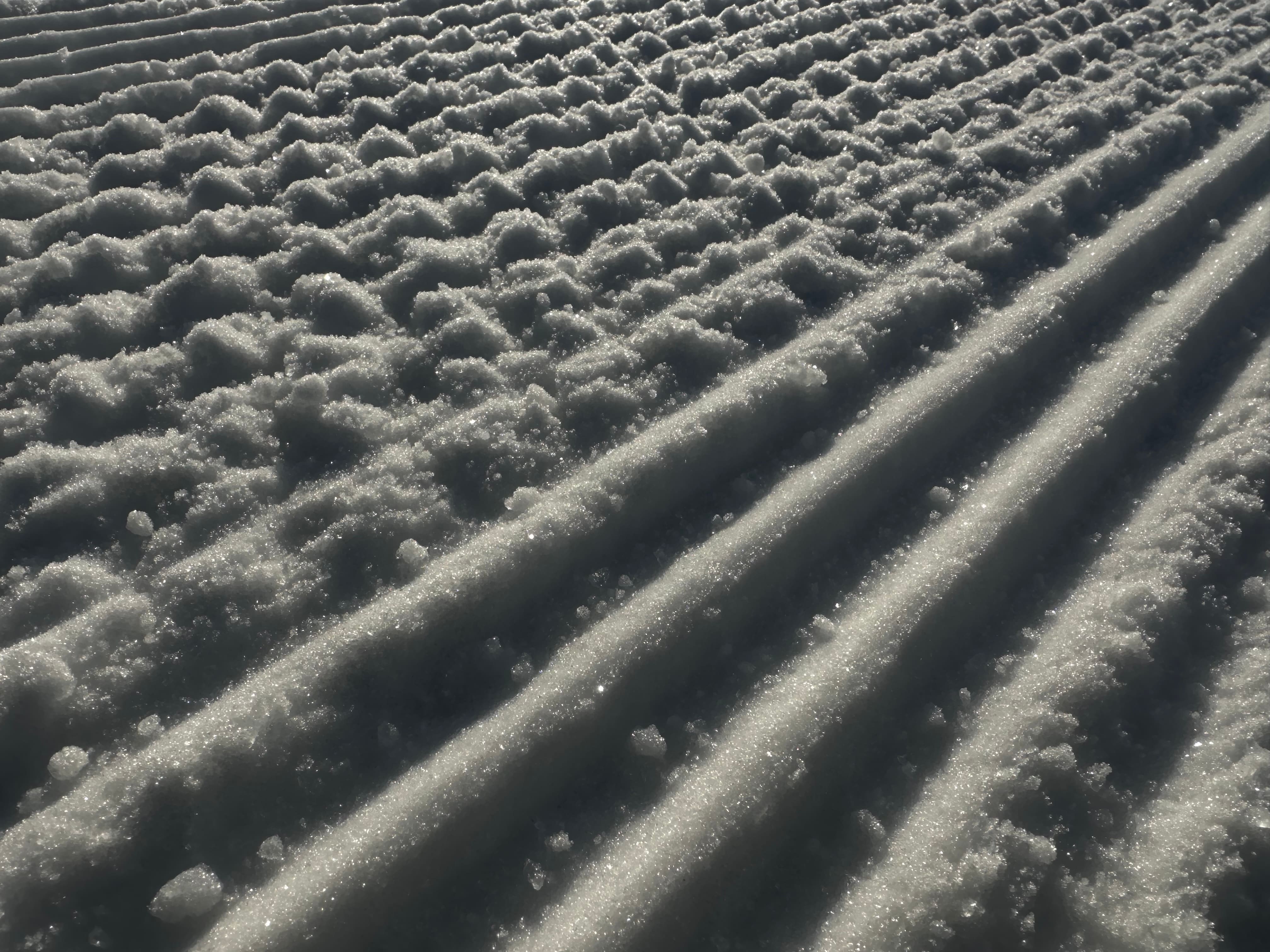
Snow texture on groomed ski slope — Finnish Lapland winter conditions
Home/Guides/What to pack
Packing guide

What to pack for Lapland —
the honest list from
people who live here

We live at −20°C for five months a year. Here's what you actually need, what most operators provide so you don't buy it unnecessarily, and what most packing lists get wrong.

Before the list

The three rules that
matter before anything else

Last updated March 2026 · Written by Colin and Livi, Levi, Finnish Lapland

Rule 1 — Never wear cotton as a base layer
Cotton absorbs sweat and loses its insulating properties when damp. In −20°C this accelerates heat loss and can become dangerous. This applies to T-shirts, socks, leggings and underwear. Merino wool or synthetic performance fabric only. This is the single most common mistake we see from arriving travellers.
Rule 2 — Check what your operators provide before buying
Most Lapland activity operators provide thermal overalls, outer boots and gloves as part of their packages. You do not need to buy or bring all of this. Before you spend £200 on specialist gear, check your operator's kit list. The critical items you must bring yourself: merino wool base layers, your own inner boots or liners, and proper extremity protection for between activities.
Rule 3 — Dress in removable layers
Finnish cabins, restaurants and shops are very warm — typically 20–22°C indoors. You will be constantly moving between −20°C outside and warm interiors. Dressing in removable layers is essential. A child (or adult) dressed for serious cold and then sitting in a warm cabin will overheat quickly. Plan for the transition.
Written by Colin and Livi — resident of Levi since January 2024. We've watched hundreds of travellers arrive with the wrong kit and the right kit. This is the honest list.
The layering system

How to dress for
serious Arctic cold

Lapland cold is not ski resort cold. January and February regularly hit −20°C to −25°C. The right clothing makes this manageable and beautiful. The wrong clothing makes it dangerous and miserable. The system below works.

01
Base layer — against skin
Merino wool top
Long sleeve. Mid-weight (200–260gsm). Icebreaker, Smartwool, Devold are reliable brands.
Critical — never cotton
Merino wool leggings
Or thermal performance leggings. Under your ski trousers or outdoor trousers.
Critical — never cotton
Merino wool socks
Thick. Bring 2–3 pairs minimum. Your feet will thank you.
Merino or performance underwear
Same rule — no cotton underwear at −20°C.
02
Mid layer — insulation
Fleece jacket or down gilet
Worn over base, under outer. Fleece is more versatile indoors. Down is warmer for static activities.
Insulated trousers (optional)
For very cold days or static activities like ice fishing. Most operators provide outer overalls which serve this purpose.
Neck gaiter or buff
Covers the gap between hat and collar. Merino or fleece. Small but very important.
03
Outer layer — protection
Waterproof windproof jacket
Most operators provide insulated overalls for activities. You need your own for general outdoor use between activities.
Waterproof ski trousers
Or operators' overalls. Bring your own if skiing independently.
Ski helmet (if skiing)
Can be hired at the resort. Check hire cost — sometimes worth bringing your own.
Extremities — the most important section

Hands, feet and head —
where most people get it wrong

Your core stays warm through layers. Your extremities lose heat fastest and are the hardest to recover once cold. At −20°C, inadequate gloves or boots are the most common reason a Lapland trip becomes uncomfortable or unsafe. This section matters more than any other.

Hands
Outer mittens rated to −30°C
Mittens are warmer than gloves. Essential for passive outdoor time (watching aurora, standing at reindeer farm).
Inner gloves (liner gloves)
Thin merino or performance liner worn under mittens. Allows some dexterity for phones, cameras.
Waterproof ski gloves (optional)
For skiing specifically. Many operators provide for activity use. Not a substitute for proper mittens.
Fashion gloves are not enough
Regular ski gloves are typically rated to −10°C. At −25°C, your fingers will be painfully cold within minutes. Get proper Arctic mittens rated to −30°C minimum.
Feet
Winter boots rated to −40°C
For general outdoor use. Kamik, Sorel, Baffin are reliable brands. Check the rating — it must say −30°C or −40°C on the boot.
Ski boots (if skiing)
Can be hired at the resort. Most visitors hire rather than travel with them.
Thermal insoles
Add significant warmth to borderline boots. Cheap insurance if your boots are rated only to −20°C.
Boot grips / ice cleats
Slip-on crampons for icy paths. Small, lightweight, very useful. Pavements are often compacted ice.
Head and face
Wool or fleece hat — covers ears fully
Not a bobble hat with a narrow band. The hat must fully cover your ears.
Balaclava or face mask
For the coldest days (below −20°C) or for snowmobile safaris where wind chill is a factor. Fleece or neoprene.
Ski goggles
For skiing, snowmobile safaris and very cold windy days. Can be hired at resort.
Sunglasses
Essential in March and April — snow reflection is intense. Polarised preferred.
What operators provide

Check this before
buying anything expensive

Most Lapland activity operators provide specialist outer clothing as part of their package. You do not need to buy all of this. Here's a general guide — always confirm with your specific operator.

Husky safari
Usually provides: thermal overalls, outer boots, gloves, helmet
Bring: merino base layers, inner gloves, your own socks
Snowmobile safari
Usually provides: insulated overalls, helmet, gloves, outer boots
Bring: merino base layers, warm socks, balaclava for cold days
Reindeer farm
Sometimes provides: overalls (check). Often no specialist kit.
Bring: full layering system including proper boots and mittens
Skiing (Levi resort)
Hire available: skis, boots, poles, helmet, ski suit
Bring: base layers, ski socks, your own gloves if possible
Ice fishing
Usually provides: equipment, overalls, heated shelter or tent
Bring: full cold system — this is static so you get very cold
Aurora hunt (guided)
Usually provides: snowmobile kit if snowmobile-based, warm drinks
Bring: full layering, best mittens, warmest boots — static at night
"Static activities at night are the coldest situations you'll face. Ice fishing at −20°C, standing watching aurora at midnight — your body generates no heat. This is when your kit matters most."
Common mistakes

What most packing lists
get wrong

Cotton base layers
The most common and most dangerous mistake. Cotton absorbs moisture, loses insulation properties when damp, and accelerates heat loss in cold conditions. Many travellers pack their normal thermal underwear without checking the material.
Check every base layer label. If it says cotton, leave it at home. Merino wool or synthetic only.
Fashion snow boots
Boots sold as "winter boots" in high street shops are typically rated to −5°C or −10°C. This is not enough for Lapland. They look fine and they fail at −20°C. We see this every year — guests standing in line for the ski lift with numb feet by 10am.
Check the temperature rating on the boot. Must be −30°C or below. Kamik, Baffin, Sorel, Meindl are reliable.
Bringing too much clothing
Most operators provide outer layers. People arrive with enormous bags of ski gear — much of which they hire from the resort anyway. You don't need to bring ski boots, ski suit, specialist overalls, helmet and poles. Check what's available to hire before you pack.
Pack the base layers (merino) and extremities (boots, gloves, hat) as your own. Hire everything else if possible.
Not packing lip balm and moisturiser
Arctic air is extremely dry. Lips crack and skin dries out very quickly. This sounds trivial but after three days in serious cold without it, it becomes genuinely uncomfortable. Bring SPF lip balm and face moisturiser.
Bring good lip balm (SPF ideally) and face moisturiser. Use them every morning before going outside.
Packing a standard camera bag
Camera batteries discharge very quickly in serious cold. A battery that lasts all day in normal conditions may last 30 minutes at −20°C. Bring spare batteries and keep them warm in an inside pocket until needed.
Bring two spare batteries minimum. Keep them in your inner jacket pocket. Only put them in the camera when shooting.
Complete packing list

Everything — marked
by priority

ItemPriorityNotes
Merino wool base layer topMust bringNon-negotiable. Mid-weight 200–260gsm. 2–3 sets for a week.
Merino wool base layer leggingsMust bringNon-negotiable. Same material rule.
Merino wool socksMust bringThick. 3–4 pairs minimum.
Winter boots rated −30°C or lowerMust bringCheck the label. Fashion snow boots are not enough.
Arctic mittens rated −30°CMust bringNot ski gloves. Proper Arctic mittens.
Wool or fleece hat (covers ears)Must bringFull ear coverage. Not a beanie with a narrow band.
Neck gaiter or buffMust bringCovers the gap between hat and collar.
Liner glovesMust bringThin merino or performance. Worn under mittens.
Mid-layer fleece or down jacketMust bringBetween base and outer. Essential for non-activity outdoor time.
Lip balm (SPF)Must bringArctic air is extremely drying. Use daily.
Face moisturiserMust bringSame reason. SPF version useful for March onwards.
Outer waterproof jacketCheck operatorMany operators provide. You need your own for between-activity time.
Waterproof trousersCheck operatorSame — operators often provide overalls.
Ski bootsHire at resortAvailable to hire at all resorts. No need to travel with them.
Skis / snowboardHire at resortHire is high quality. Not worth the travel hassle.
Ski helmetHire or bringAvailable to hire. Worth bringing your own if you have a good fit.
Ski gogglesHire or bringAvailable to hire. Bringing your own is lighter and preferred fit.
Boot ice cleatsRecommendedSlip-on crampons for icy pavements. Small and very useful.
Balaclava / face maskRecommendedFor below −20°C or snowmobile. Optional but useful.
SunglassesRecommendedEssential in March–April. Polarised preferred.
Camera battery sparesRecommendedBatteries fail fast in cold. Bring 2+ and keep warm.
Power bank (kept warm)RecommendedSame issue as camera. Keep inside jacket.
Thermal insolesOptionalAdd warmth to borderline boots. Worth packing just in case.
Hand warmersOptionalChemical or rechargeable. Good backup for very cold days.
Common questions

Packing questions —
answered honestly

What should I wear in Lapland in winter?+
Three layers: merino wool base (never cotton), fleece or down mid-layer, and a waterproof windproof outer. For extremities: mittens rated to −30°C minimum, winter boots rated to −40°C, and a wool hat covering ears fully. Most activity operators provide outer overalls and specialist boots for their activities — check before buying. The items you must bring yourself: merino base layers, proper boots, proper mittens.
Do I need to buy special clothes for Lapland?+
Yes — for base layers and extremities. Merino wool base layers are non-negotiable. Arctic-rated boots and proper mittens are non-negotiable. Most other outerwear is provided by activity operators or available to hire at the resort. You can also hire winter clothing packages from Levi and other resorts if you don't want to buy specialist gear for a one-off trip.
Can I hire clothing in Lapland?+
Yes — Levi and most Lapland resorts offer clothing hire packages including overalls, outer boots and gloves. This is a good option if you don't want to buy specialist gear for a one-off trip. What you cannot usefully hire: base layers (too personal, hygiene), your own winter boots (fit matters too much for comfort), and properly fitting gloves. Buy these and hire the rest.
What temperature is Lapland in winter?+
January and February in Levi regularly reach −20°C to −25°C. We have seen −32°C in February. December is typically −8°C to −20°C. March warms to around −5°C to −18°C. This is serious Arctic cold — not ski holiday cold. The right clothing makes it manageable and genuinely beautiful. The clearest, coldest days are often the most spectacular.
Ready to plan the trip itself?

Find the right destination for your Lapland trip.

Now you know what to pack — tell us where you're flying from, who you're with and what matters most. We'll give you a personalised top 3 with honest rationale and real flight routes.

Use the where-to-go tool →
No sign-up · No selling · Honest guidance from people who live here